

前情提要
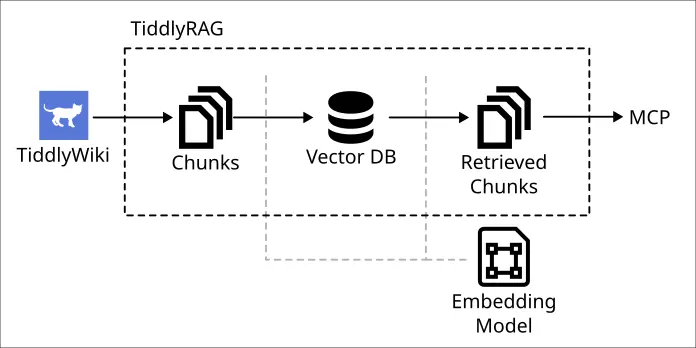
POC Type-A 探索了向量資料庫、嵌入模型並對外暴露 MCP (Model Context Protocol):
POC Type-B 探索了 AsyncFuncAI/deepwiki-open 專案處理「如何把 Git Repo 轉換成文件?」這個問題的方式,並做出了一些改良,其中一個重點改良是將 Git Repo 微服務化,TiddlyRAG 不直接與檔案系統中的 Git Repo 互動,而是透過 Gitea 提供的 API:
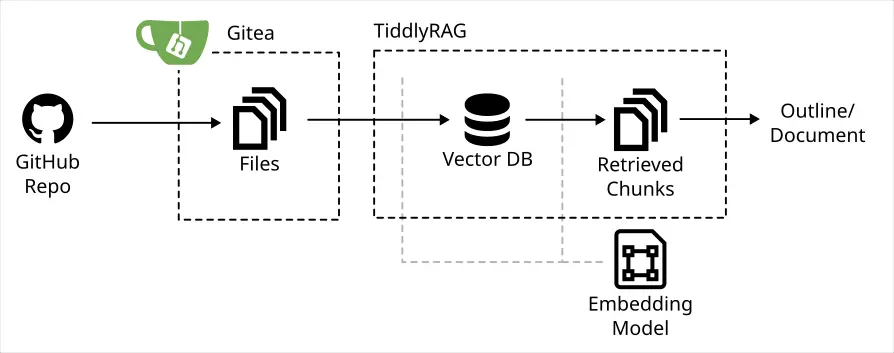
如此一來 Git Repo 相關的業務邏輯就變成了 TiddlyRAG 不關注的通用域問題。舉例來說,TiddlyRAG 不再需要考慮 git clone 失敗與否產生的各種 edge case,只需要呼叫 Gitea 中 migrate 的 API 即可。
透過 HTTP API 操作,更容易實現權限控制與訪問審計等需求,這在基於 LLM 建構的智能體 (Agent) 系統帶來的不可空性中顯得更為重要。
POC Type-C 探索了 ECS (Entity-Component-System) 與行為樹 (Behavior Tree) 建構的智能體框架:
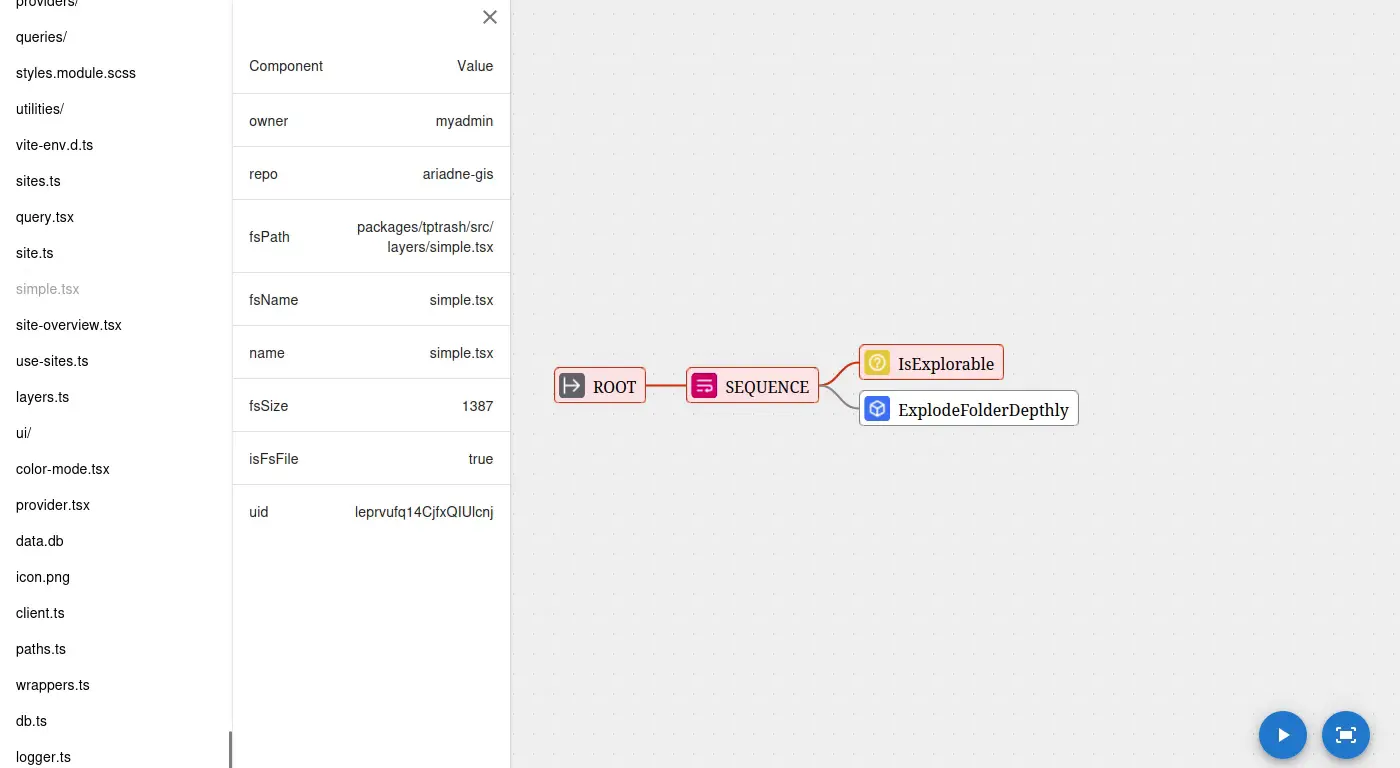
並實做了簡單的深度優先遍歷與廣度優先遍歷作為概念驗證。
TiddlyWiki 微服務
在 POC Type-A 中,TiddlyWiki 是以相對隨便定義的方式儲存在 TiddlyRAG 內的資料庫中,但是就像 POC Type-B 處理的問題一樣,「TiddlyWiki」的儲存並不是 TiddlyRAG 關注的問題,因此在 TiddlyRAG 的微服務架構中,應該要有一個專門用儲存 TiddlyWiki 的實例。
以下是我經過調查,跟這個主題有關的專案:
- https://github.com/Arlen22/TiddlyServer
- 265 ⭐
- https://github.com/tiddlyhost/tiddlyhost-com
- 222 ⭐
- https://github.com/tiddlyweb/tiddlyweb
- 104 ⭐
- https://github.com/TiddlyWiki/MultiWikiServer
- 54 ⭐
TiddlyServer 的作者同時也是 MultiWikiServer 的主要貢獻者,並且在 README 明確的表明該專案已經中止,後續的開發能量會轉移給 MultiWikiServer。
tiddlyhost-com 雖然有「多租戶」的概念,但是它的主要運作方式是以 static asset 的方式 serve 多個 TiddlyWiki 檔案,因此就算它有 API,原子操作也是 TddilyWiki (整個網頁)而不是 Tiddler (條目)。
tiddlyweb 是完全以 Python 實做的伺服器,然而大部分實作依然停留在 Python 2.7 時期,甚至連 Python 3.3 的遷移也尚未完成就已經中止開發。
並且它是基於 TiddlyWiki 2.0 設計的,現代的 TiddlyWiki (TW5) 要使用這個專案必須做一些調整1。
MultiWikiServer 似乎是 TiddlyWiki 生態系中以官方的角色建構的「TiddlyWiki 微服務後端方案」,然而它依然存在一些問題。
MWS 的問題
接下來解釋一下 MWS (MultiWikiServer) 有哪些問題,如果依照 README 上的指南試著建立環境:
npm init @tiddlywiki/mws@latest my-foldercd my-foldernpx mws init-storenpx mws listen --listener
會遇到很多光怪陸離的事情。
其他套件管理工具不友善
因為在 @tiddlywiki/create-mws 寫死 npm,所以就用:
pnpm create @tiddlywiki/mws@latest my-folder
得到的 node_modules 會報錯。
hard code 仰賴
試圖安裝並執行 mws 指令時也會報錯,因為:
{
  "dependencies": {
    "prisma-client": "file:prisma/client",
  }
}
package.json 的仰賴是寫死的。
Docker 安裝
如果依照 README 的 docker 安裝步驟:
# Create your data directory
mkdir my-mws-data
cd my-mws-data

# Download the required files
curl -O https://raw.githubusercontent.com/TiddlyWiki/MultiWikiServer/main/docker-compose.directory.yml
curl -O https://raw.githubusercontent.com/TiddlyWiki/MultiWikiServer/main/Dockerfile

# Create store directory
mkdir -p store

# Start MWS
docker-compose -f docker-compose.directory.yml up -d

# Initialize the database (required on first run)
docker-compose -f docker-compose.directory.yml exec mws npx mws init-store

# Access at http://localhost:8080
# Default credentials: admin / 1234
則會得到一個非常簡易的 React.js 前端頁面。
設計哲學與程式風格
MWS 的設計依然部份延續 TiddlyWiki 的路徑,也就是軟體邊界模糊(前後端不分),以及為了保持自舉的特性,很多功能不使用函式庫而是自己重複造輪子。
舉例來說,透過 Docker 運行起來後,我的瀏覽器插件顯示它的前端使用 React,於是我便調查一下的程式碼,確實有前後端分離的跡象,但是依然出現疑似 JSX 輪子的東西:
packages/jsx-runtime/jsx-render.ts
import { MaybeArray } from "./jsx-utils";

export const JSXElementSymbol: unique symbol = Symbol("__is_jsx_element__");

const HTML_NAMESPACE = "http://www.w3.org/1999/xhtml";
const MATH_NAMESPACE = "http://www.w3.org/1998/Math/MathML";
const SVG_NAMESPACE = "http://www.w3.org/2000/svg";

const OldPropsSymbol: unique symbol = Symbol("__old_props__");
const KeyChildren: unique symbol = Symbol("__key_children__");
const OwnKeySymbol: unique symbol = Symbol("__own_key__");
const DOMElementSymbol: unique symbol = Symbol("__dom_element__");

const observer = new MutationObserver((mutations) => {
  for (const mutation of mutations) {
    const callbacks = observerCallbacks.get(mutation.target as Element);
    if (callbacks) for (const cb of callbacks) cb();
  }
});

const observerCallbacks = new WeakMap<Element, (() => void)[]>();

export function render(root: Element | DocumentFragment, child: MaybeArray<JSX.Node>) {
  updateChildren(root, [child].flat(Infinity) as JSX.Node[]);
}
另一方面則是不使用 Express.js 之類主流的後端路由框架,而是自己創造另外一種模式:
packages/mws/src/managers/wiki-external.ts
  handleLoadBagTiddler = zodRoute({
    method: ["GET", "HEAD"],
    path: BAG_PREFIX + "/:bag_name/tiddlers/:title",
    bodyFormat: "ignore",
    zodPathParams: z => ({
      bag_name: z.prismaField("Bags", "bag_name", "string"),
      title: z.prismaField("Tiddlers", "title", "string"),
    }),
    inner: async (state) => {
      const { bag_name, title } = state.pathParams;
      const bag = await state.assertBagAccess(bag_name, false);
      throw await state.$transaction(async (prisma) => {
        const server = new WikiStateStore(state, prisma);
        return await server.serveBagTiddler(bag.bag_id, bag_name, title);
      });
    }
  });
或是手刻 HTTP body 解析:
packages/mws/src/managers/wiki-utils.ts
export async function recieveTiddlerMultipartUpload(state: ZodState<"POST", "stream", any, any, zod.ZodTypeAny>) {

  // Process the incoming data
  const inboxName = new Date().toISOString().replace(/:/g, "-");
  const inboxPath = resolve(state.config.storePath, "inbox", inboxName);
  mkdirSync(inboxPath, { recursive: true });

  const parts: MultipartPart[] = [];

  interface UploadPart2 {
    inboxFilename?: string;
    value?: string;
    hasher?: Hash;
    length: number;
    fileStream?: Writable;
    hash?: string;
  }

  const incomingParts = new WeakMap<MultipartPart, UploadPart2>();
  const inboxFiles = new WeakMap<MultipartPart, string>();
  const valueParts = new WeakMap<MultipartPart, string>();

  await state.readMultipartData({
    cbPartStart: async function (part) {
      const part2: UploadPart2 = {
        hasher: createHash("sha-256"),
        length: 0,
      };

      if (part.filename) {
        const inboxFilename = (parts.length).toString();
        const inboxFilename2 = resolve(inboxPath, inboxFilename);
        part2.fileStream = createWriteStream(inboxFilename2);
        inboxFiles.set(part, inboxFilename2);
      } else {
        part2.value = "";
      }

    },
    cbPartChunk: async function (part, chunk) {
      const part2 = incomingParts.get(part)!;
      if (part2.fileStream) {
        await new Promise<void>((res) => {
          part2.fileStream!.write(chunk) ? res() : part2.fileStream!.once("drain", () => res());
        });
      } else {
        const encoding = part.headers.get("content-type")?.charset || "utf8";
        if (!Buffer.isEncoding(encoding)) {
          throw new SendError("MULTIPART_INVALID_PART_ENCODING", 400, {
            partIndex: parts.length,
            partEncoding: encoding,
          });
        }
        part2.value! += chunk.toString(encoding as BufferEncoding);
      }
      part2.length += chunk.length;
      part2.hasher!.update(chunk);
    },
    cbPartEnd: async function (part) {
      const part2 = incomingParts.get(part)!;

      if (part2.fileStream) part2.fileStream.end();
      else valueParts.set(part, part2.value ?? "");

      part2.hash = part2.hasher!.digest("base64url");
      part2.fileStream = undefined;
      part2.hasher = undefined;
      incomingParts.delete(part);
      parts.push(part);
    },
  });

  const partFile = parts.find(part => part.name === "file-to-upload" && !!part.filename);

  if (!partFile) throw state.sendSimple(400, "Missing file to upload");

  const missingfilename = "File uploaded " + new Date().toISOString();

  const type = partFile.headers.get("content-type")?.mediaType;
  const tiddlerFields: TiddlerFields = { title: partFile.filename ?? missingfilename, type, };

  for (const part of parts) {
    const tiddlerFieldPrefix = "tiddler-field-";
    if (part.name?.startsWith(tiddlerFieldPrefix)) {
      const name = part.name.slice(tiddlerFieldPrefix.length);
      const value = valueParts.get(part)?.trim() ?? "";
      (tiddlerFields as any)[name] = value;
    }
  }

  const contentTypeInfo = state.config.getContentType(type);

  const file = await readFile(inboxFiles.get(partFile)!);

  tiddlerFields.text = file.toString(contentTypeInfo.encoding as BufferEncoding);

  rmSync(inboxPath, { recursive: true, force: true });

  return tiddlerFields;
}
結論與策略
MWS 依然處於非常早期的開發狀態,並沒有穩定到足夠被當作微服務使用,另外它已經實作一些 ACL (Access Control List) 相關的邏輯,如果在缺乏配套的情況下在 POC 中當作微服務使用會構成阻礙。例如:缺乏聲明式配置,必須手動初始化使用者,或是想要進行簡單的 CRUD 卻被 ACL 的 bug 阻擋。
然而就算撇開「開發早期」這個條件不談,差勁的程式碼職責分離除了會造成專案的成長受限以外(實作偏離範式,其他開發者看不懂、無法理解就無法貢獻),這種程式碼很容易產生漏洞,產生漏洞就不能有可靠的安全性保證,造成其身份驗證的功能虛有其表、形同虛設,不只無法提供安全性,反而拖累開發能量。經過調查之後我還發現它的 ACM (Access Control Model) 有根本性的缺陷,這個等等再補充。
因此我打算採取的策略是,根據原始實作抽出 HTTP API 界面,並使用它的資料庫設計當作參考,直接用 NestJS 重新實做,建立一個「MWS API 兼容伺服器」。
一來是出於對官方原始設計的尊重,並且透過兼容的方式避免跟 TiddyWiki 原始的生態系走太遠。二來是當我的實作走得比較前面時,發現的問題或解決方案可以反過來向 TiddlyWiki 的官方回報或貢獻。
目前進展
經過三天的研究,已經成功抽出 API 定義並且用 OpenAPI YAML 紀錄:
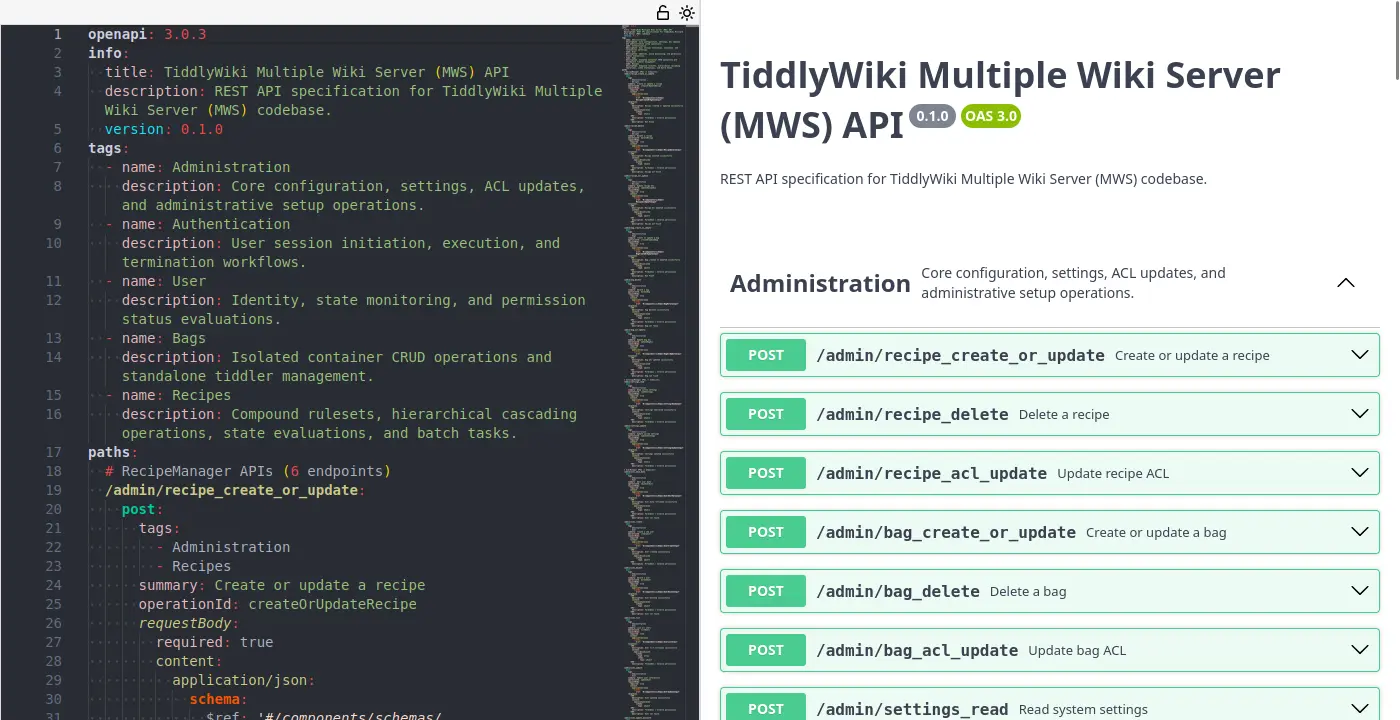
LLM (Large Language Model) 非常擅長幹這種事情,不過隨著進展到特定 API 的細節時往往還是會發現錯誤(幻覺),所以需要在原始實作跟生成的文件中來回閱讀。
昨天進展到這幾個 API 的實做時:
POST /bag/{bag_name}/tiddlersPOST /admin/bag_create_or_update
才開始研究 API 行為跟資料庫之間的互動具體是怎麼進行的。
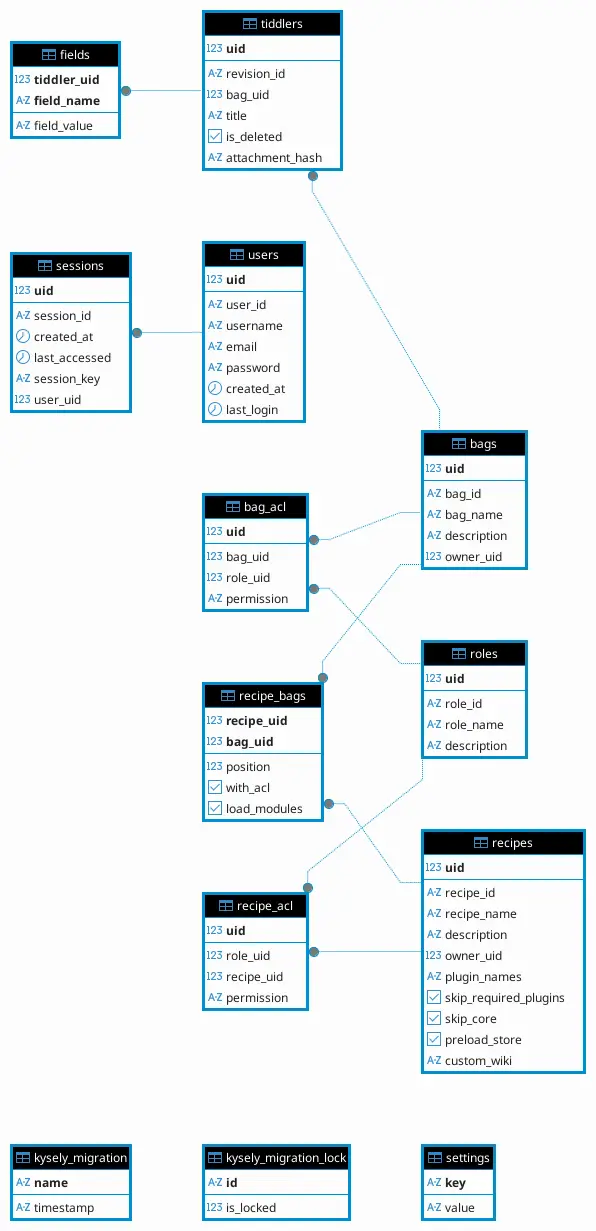
我們可以看到 Tiddler (條目)實際上是被掛在 Bag (知識包)之下,並且有一個名為 Recipe 的抽象會決定一個 TiddlyWiki 最後要長怎樣。同時 MWS 存在這樣的 API:

這是一個類似 OverlayFS 的設計,POST "/recipe/:recipe_name/tiddlers",實際上是去找到最上層的 Bag 進行寫入。這個模型設計似乎是延續自 TiddlyWeb。
然而我看到這裡我就瞬間感覺使用 ACL 是一個錯誤的技術決策。Recipe 和 Bag 是多對多關係,同時 Tiddler 的操作界面是 Recipe 的視角看過去,這種關聯性授權 (Authorization) 控制應該由 ReBAC (Relationship-based access control) 處理。
況且我的目的是建立一個支援多租戶邏輯的 TiddlyWiki 的儲存實例,AuthN/AuthZ (Authentication/Authorization) 不是我首要關注的問題。
Footnotes
-
TiddlyWiki in the Sky (or TiddlyWeb for TW5) - Pleasant Programmer. Retrieved 2026-05-30, from https://pleasantprogrammer.com/posts/tiddlywiki-in-the-sky-or-tiddlyweb-for-tw5.html ↩